
Geography
Share this page
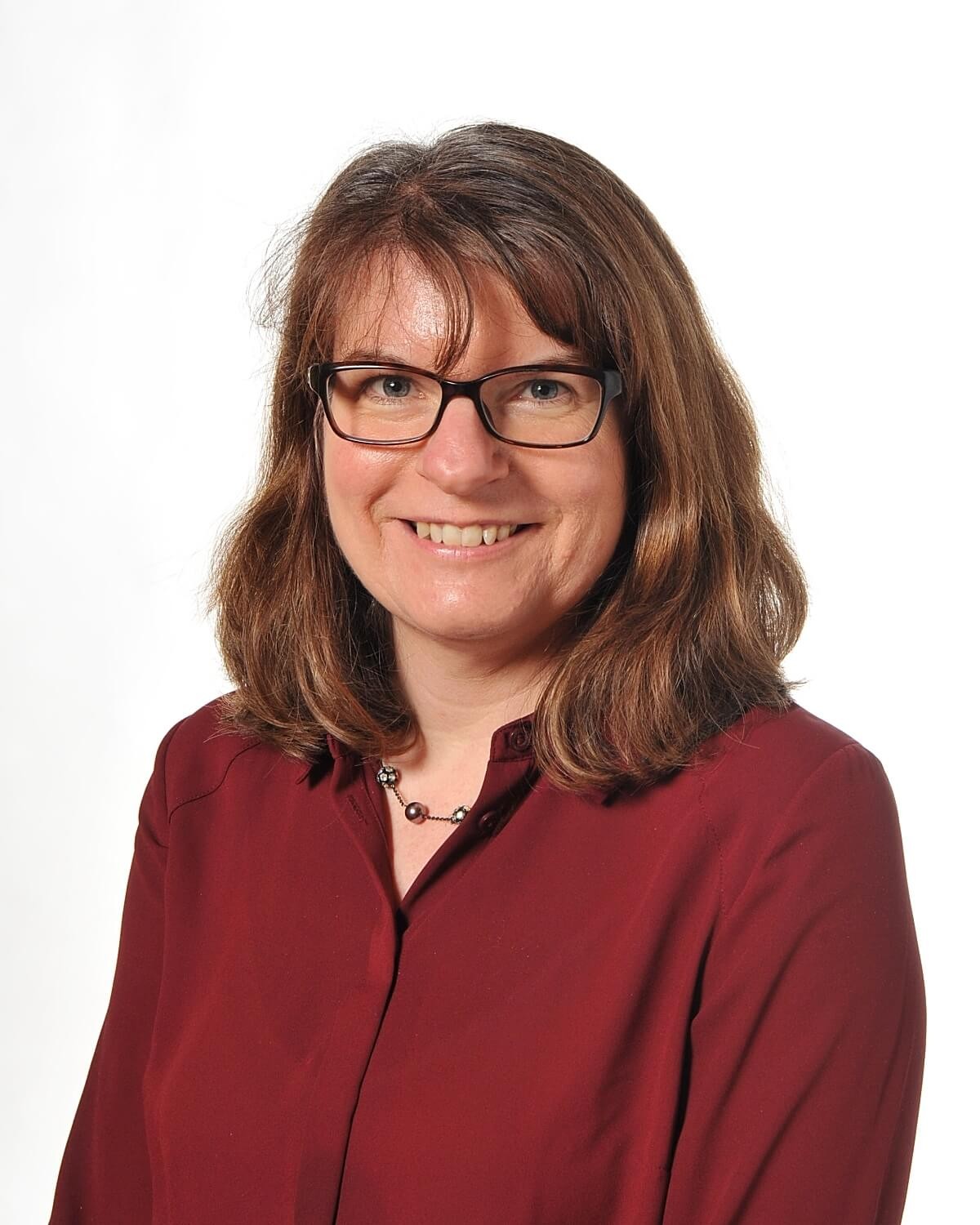
At St Oswald’s our Geography curriculum is designed to ignite pupils’ curiosity about the world around them and to deepen their understanding of places, people, environments, and the interactions between them. Using the Kapow Primary Geography scheme, we ensure that all children develop a secure and growing knowledge of both their local area and the wider world.
Mrs. G. Furness, Geography Lead
Intent
Early Years Foundation Stage
At the Early Years Foundation Stage, our intent for Geography is to spark curiosity, wonder, and respect for the world around us. Through meaningful, hands-on experiences, we aim to nurture children’s understanding of their immediate environment and introduce them to wider global concepts in an age-appropriate and engaging way.
Our Key Stage 1 and Key Stage 2 Curriculum:
- Develops locational and place knowledge: Children explore their own locality, the UK, and a range of global locations, enabling them to make comparisons, identify features, and understand how places are interconnected.
- Promotes enquiry-based learning: Each unit encourages pupils to ask questions, investigate geographical issues, and use evidence to reach conclusions. This supports the development of critical thinking and independent research skills.
- Provides real-world context: Through engaging lessons, fieldwork opportunities, and the use of digital mapping tools, pupils learn how geography impacts their lives and the lives of others in different parts of the world.
- Fosters global citizenship and sustainability: Pupils develop a respect for the environment, an understanding of climate change, and a sense of responsibility for the planet and its people.
- Ensures accessibility and inclusivity: The Kapow scheme offers high-quality resources and scaffolding that enable all pupils to access the content, including those with SEND and EAL.
Implementation
Class teachers plan meaningful lessons aiming to develop skills and confidence in all aspects of Geography.
In EYFS through Understanding the world teachers will provide opportunities for children to make sense of the world around them. Pupils will observe and compare aspects of the world, finding out about people and places and their local environment. Pupils will experience and encounter a sense of space and freedom within the school grounds, outdoor learning enhances holistic development and supports new vocabulary and communication skills for our young pupils.
In KS1 and KS2 classes, Teachers plan for lessons ensuring skills and knowledge stated in the National Curriculum are covered. When planning and teaching Geography teachers make links with other subjects so that children can apply and transfer skills.
Teachers provide opportunities for all classes to use our outdoor environment where pupils can develop an interest in the natural surroundings and show respect for the environment. Pupils gain skills such as locational and direction language and use observational skills to study grounds and physical and human features of their surrounding environment.
Teachers plan and show a progression of skills such as fieldwork, locational knowledge, and human, physical, and place knowledge through their themed topics. Pupils experience a range of motivational activities throughout the year including visiting places, fieldwork activities, class trips, workshops, and outdoor learning, this embeds knowledge and support skills such as map reading and directional language.
Teachers ensure accurate teaching of subject-specific vocabulary to each aspect of geography and know and remember 10 words related to each topic. Pupils gain and revisit new learning to secure their understanding of geographical language throughout the year.
Teachers plan to use the large wall maps within the school to support further learning so that children can relate to the continents and oceans of the world.
Pupils use maps and globes regularly within lessons to understand where they live, and where other places in the world are located, as well as learn the unique shape of the world.
Teachers plan across each week for collaborative learning to ensure support and guidance is there for all children to excel in Geography.
Impact
Outcomes in topic books, evidence a broad and balanced geography curriculum and demonstrate children’s acquisition of identified key knowledge relating to each of the identified national curriculum strands, as appropriate to key stages; locational knowledge, place knowledge, and human and physical geography. This is in addition to the development and application of key skills, supported by fieldwork.
As children progress throughout the school, they develop deep knowledge, understanding, and appreciation of their local area and its place within the wider geographical context. Geographical understanding, as well as children’s spiritual, moral, social, and cultural development, is further supported by the school’s links with international partner schools such as FF Ribeiro school in South Africa where strong links have been forged.
All book monitoring and regular pupil voice interviews show that theory and intent are being implemented in the order and approach as planned by the subject leader.