Aims
Mrs. L. Neiland, Science Lead

Share this page
Mrs. L. Neiland, Science Lead
At St Oswald’s, we plan for all children to:
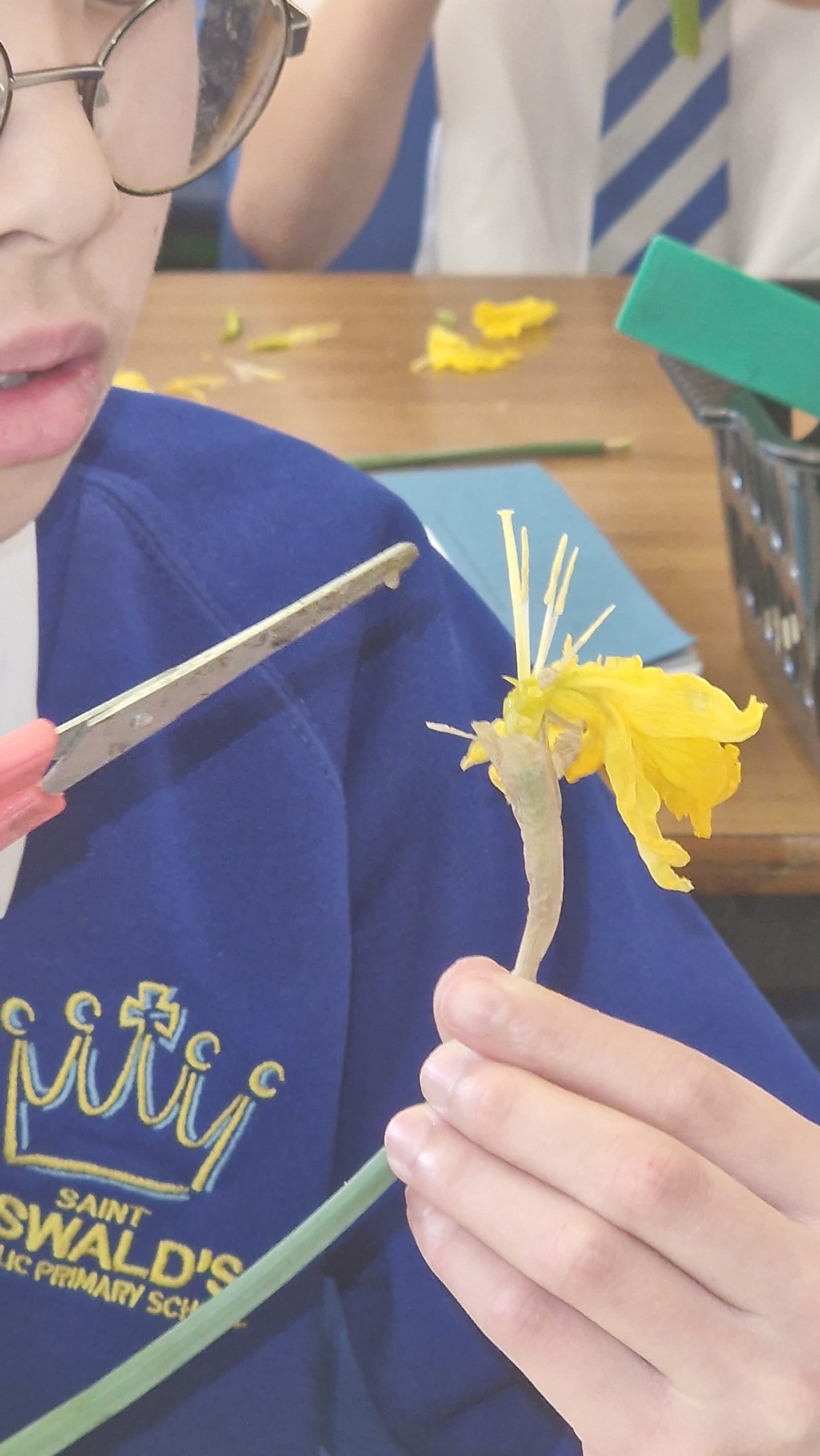
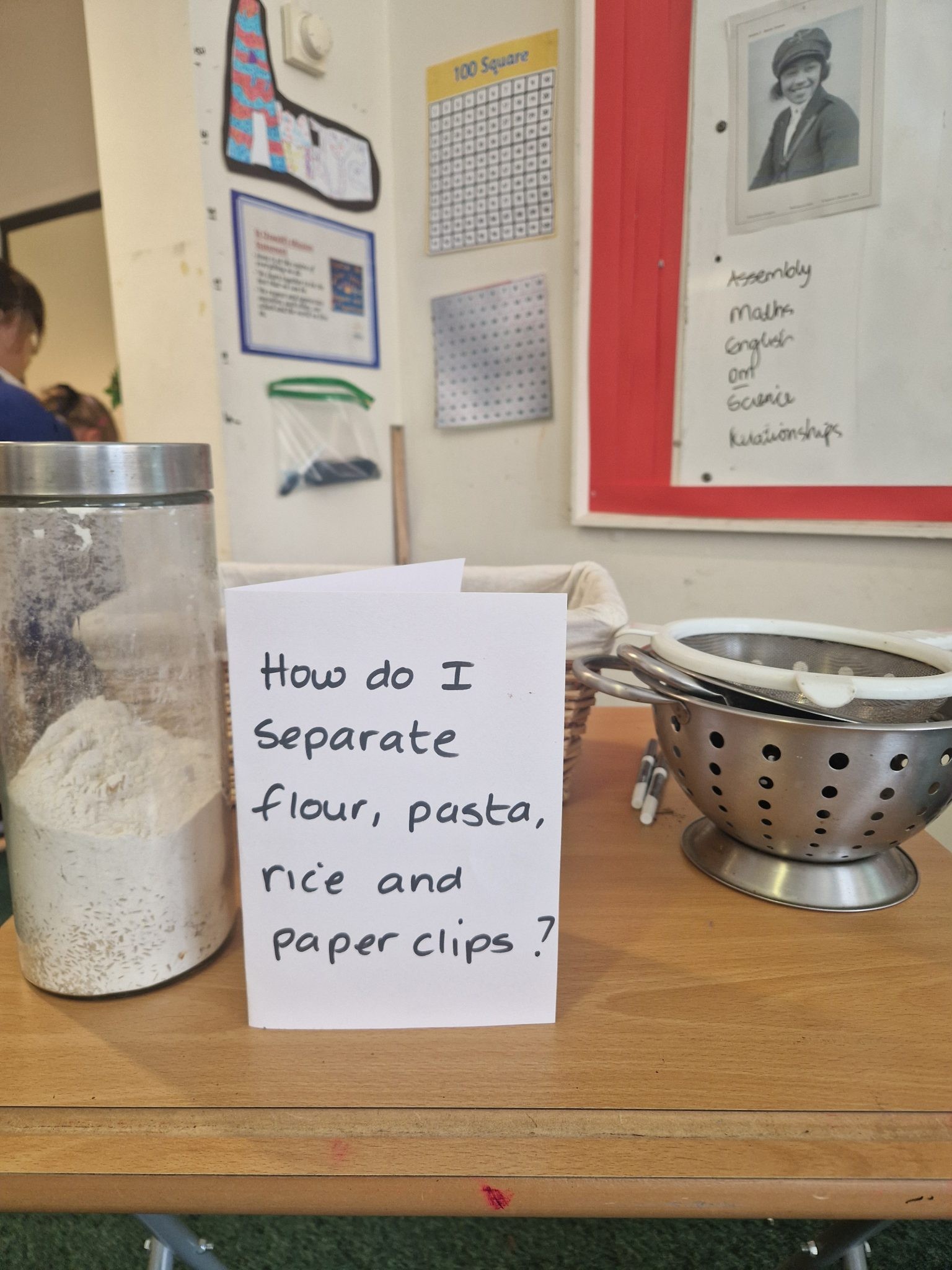
At St Oswald’s, we understand that children are naturally curious and we encourage this inquisitive nature throughout their time with us and beyond. Science fosters a healthy curiosity in children about our universe and promotes respect for the living and non-living. We believe science encompasses the acquisition of knowledge, concepts, skills and positive attitudes. Through the programmes of study in the National Curriculum science document children will acquire and develop these skills throughout their Primary years. We ensure that the Working Scientifically skills are built-on and developed throughout their school career so that they can use equipment, conduct experiments, build arguments and explain concepts confidently and continue to ask questions and be curious about their surroundings.
Our curriculum has been developed to show progression through the year groups.
Teachers create a positive attitude to science learning within their classrooms and reinforce an expectation that all children are capable of achieving high standards in science. Our whole school approach to the teaching and learning of science involves the following;
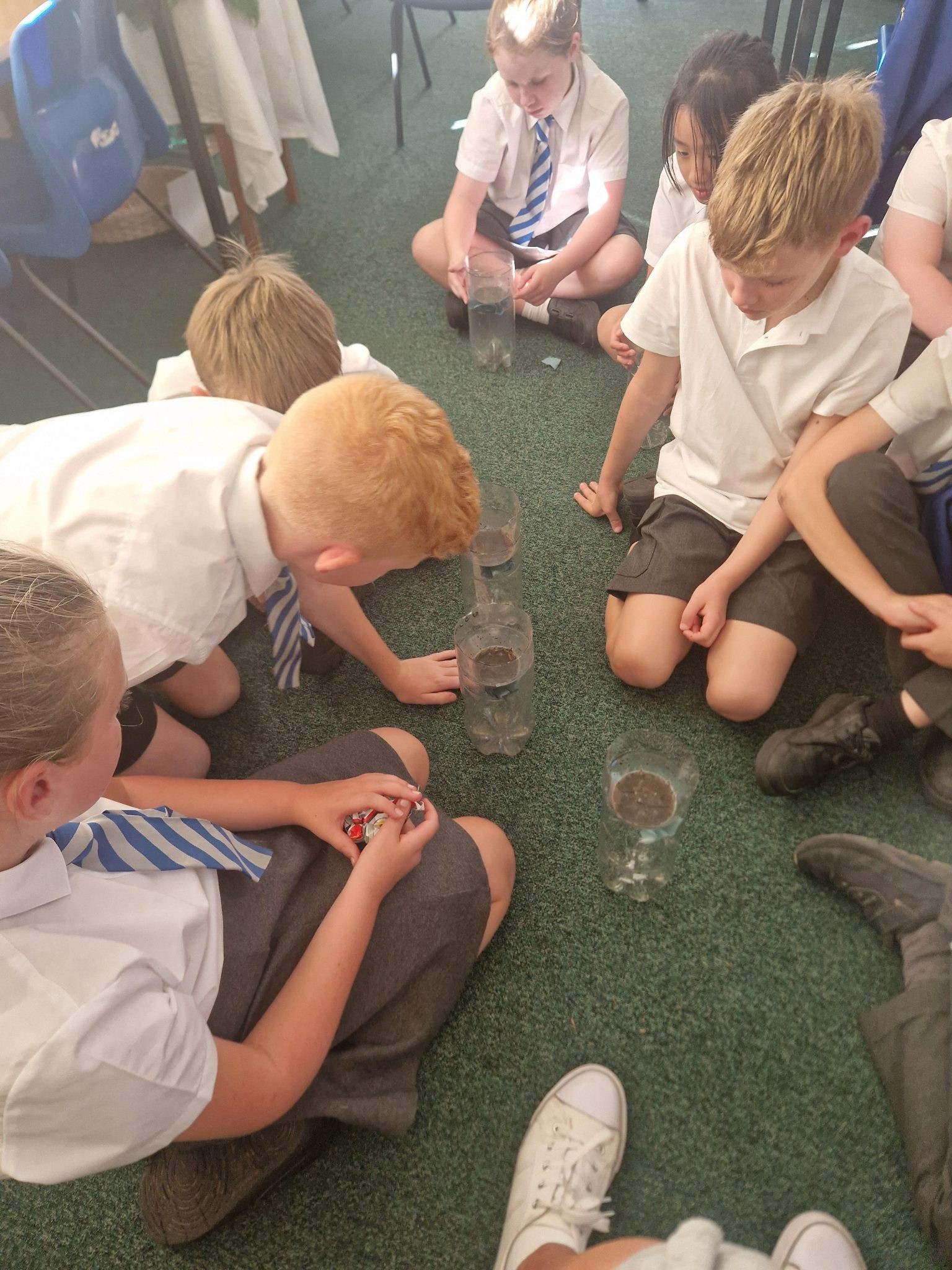
Science at St Oswald’s results in a fun, engaging, high-quality science education, that provides children with the foundations for understanding the world. Our engagement with the local environment ensures that children learn through varied and first-hand experiences of the world around them. Through various assemblies, workshops, trips, and interactions with experts, children have the understanding that science has changed our lives and that it is vital to the world’s future prosperity.
Class teachers will plan meaningful lessons aiming to develop knowledge, skills and confidence in Science. In the Early Years Foundation Stage, Science is covered within knowledge and understanding of the world.
In KS1 and KS2, class teachers will plan their lessons following the Assertive Mentoring science curriculum. When planning and teaching science, although it will be taught discretely, teachers should aim where possible to make links with other subjects so the children can transfer and apply their skills. Teachers will use reading and writing as a vehicle to learn about and present science learning. Clear and appropriate cross-curricular links will be made where possible.
The outdoor learning environment will be used whenever appropriate to provide children with enriched skills-based learning experiences. Teachers will build on our children’s natural curiosity and develop a scientific approach to problems and help the children acquire a growing understanding of the nature, processes, and methods of scientific ideas.
Teachers will ensure accurate teaching of subject-specific vocabulary, skills and knowledge by following the planned science curriculum.
Teachers will ensure they teach specific scientific vocabulary as identified on the unit plans. This will be inside their science books at the start of each topic for children to refer to throughout the teaching process.
During the school year, teachers will enhance the curriculum by engaging children during Science week.
Teachers will plan for collaborative learning within teams and groups in order to support and help one another to reach their goals. Children will also be asked to solve problems and answer questions independently; individual learning in Science will create resilient, confident learners.